
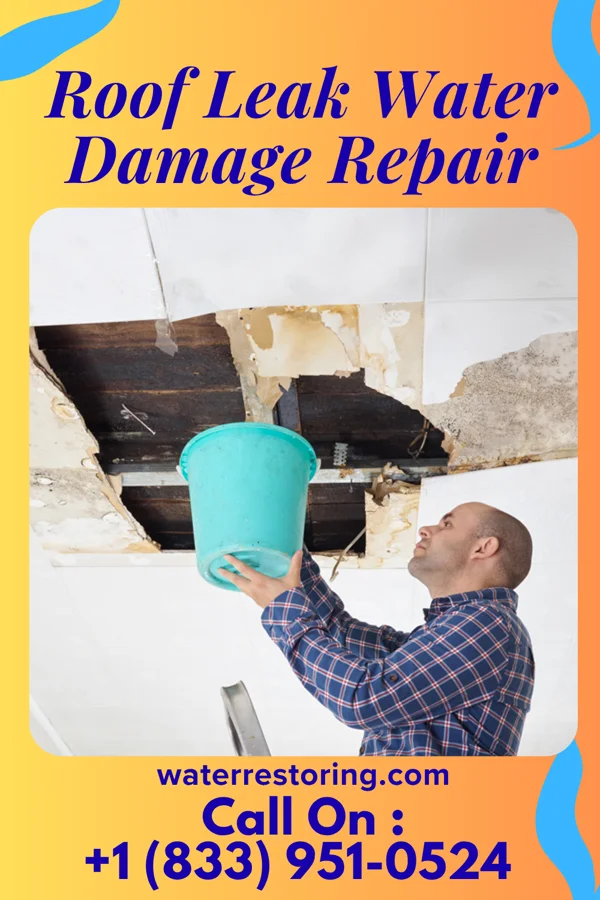
When Tampa Properties Need Roof Leak Repair
Water damage in Tampa usually starts with tropical storms and hurricane-season thunderstorms (June–November). A close second is intense year-round UV exposure degrading shingle adhesive and underlayment. Professional restoration follows the IICRC protocol on every job. Assess. Extract. Dry. Sanitize. Document.
Tampa sits at the intersection of two sea breezes from Tampa Bay and the Gulf of Mexico, producing some of the most frequent lightning and heavy rainfall events in the continental United States during the summer rainy season. Intense afternoon thunderstorms can dump two to four inches of rain in under an hour, overwhelming any compromised flashing, dried-out sealant, or cracked underlayment on residential roofs. The combination of relentless summer heat — routinely above 90°F — and near-daily moisture cycles causes roofing materials to expand and contract rapidly, accelerating the breakdown of sealants around pipe boots, AC curb mounts, and roof-to-wall transitions.
Water damage in Tampa follows a few local patterns. tropical storms and hurricane-season thunderstorms (June–November) accounts for the bulk of our calls. Tampa sits at the intersection of two sea breezes from Tampa Bay and the Gulf of Mexico, producing some of the most frequent lightning and heavy rainfall events in the continental United States during the summer rainy season. Intense afternoon thunderstorms can dump two to four inches of rain in under an hour, overwhelming any compromised flashing, dried-out sealant, or cracked underlayment on residential roofs. The combination of relentless summer heat — routinely above 90°F — and near-daily moisture cycles causes roofing materials to expand and contract rapidly, accelerating the breakdown of sealants around pipe boots, AC curb mounts, and roof-to-wall transitions. Tampa's subtropical climate — with average summer humidity levels above 75% and temperatures rarely dropping below 75°F overnight — creates near-perfect conditions for mold spore germination on wet wood framing, drywall, and insulation within 24 to 36 hours of water intrusion. Roof leaks that persist through even a single week of Tampa's rainy season frequently result in Stachybotrys and Cladosporium mold colonies spreading across attic trusses, ceiling joists, and the back side of interior drywall, often invisible until remediation begins. Because Tampa's outdoor humidity prevents passive drying, professional mechanical drying equipment is almost always required to reduce moisture levels enough to stop mold growth after a roof leak event.
For public guidance on the health effects of mold after prolonged water exposure, see the EPA mold and health page.