
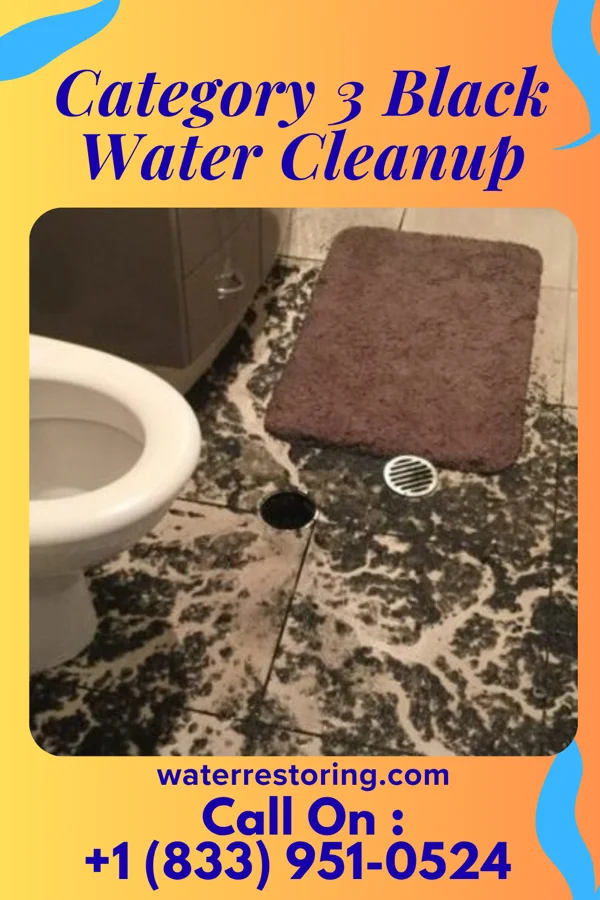
What Makes Tampa See Category 3 Events
Living in Tampa means dealing with aging cast-iron and clay sewer mains in older Tampa neighborhoods like Ybor City, Hyde Park, and Seminole Heights, where root intrusion and pipe deterioration cause frequent municipal sewer backflows into homes during heavy rainfall sooner or later. A close second is tropical storm surge and flash flooding during Atlantic hurricane season that overwhelms Tampa's low-elevation stormwater system and forces Category 3 floodwater through foundation gaps and ground-floor plumbing fixtures. The good news: water damage is fully recoverable when you catch it fast and bring in certified technicians.
Tampa's humid subtropical climate, with average relative humidity above 75% and summer temperatures regularly exceeding 90°F, creates conditions where Category 3 black water contamination triggers aggressive mold colonization in structural materials within 24 to 48 hours of sewage contact. The city's position at the head of Tampa Bay makes it one of the most storm-surge-vulnerable metros on the Gulf Coast, with Category 3 floodwater capable of inundating entire neighborhoods during tropical storm and hurricane events each June through November. Hillsborough County's low average elevation of just 48 feet above sea level means even moderate rainfall events can overwhelm drainage infrastructure and push contaminated water into ground-floor living spaces, crawlspaces, and HVAC systems throughout the metro area.
Most category 3 black water cleanup calls in Tampa come from aging cast-iron and clay sewer mains in older Tampa neighborhoods like Ybor City, Hyde Park, and Seminole Heights, where root intrusion and pipe deterioration cause frequent municipal sewer backflows into homes during heavy rainfall. Running a close second is tropical storm surge and flash flooding during Atlantic hurricane season that overwhelms Tampa's low-elevation stormwater system and forces Category 3 floodwater through foundation gaps and ground-floor plumbing fixtures. Once water sits unaddressed past 24 to 48 hours, microbial growth starts and the job gets a lot more expensive.